France's Linux Migration Signals New Cybersecurity Era

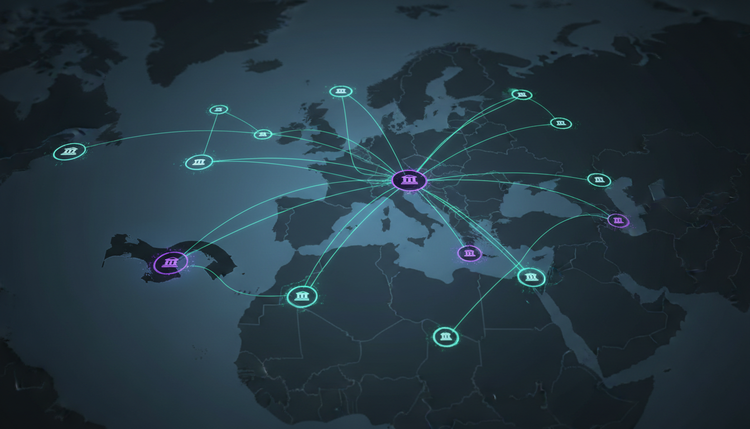
France just fired the first shot in what could become the most significant shift in government cybersecurity since the internet's creation. The country's decision to migrate all government ministries from Microsoft Windows to Linux isn't just about operating systems—it's a calculated move that could reshape how nations think about digital sovereignty and cyber risk in an increasingly fragmented world.
France Goes All-In on Digital Independence
On 10 April 2026, France's Interministerial Digital Directorate (DINUM) announced a sweeping mandate: every government ministry must develop plans to eliminate "extra-European digital dependencies" by autumn 2026. This directive encompasses operating systems, collaborative tools, cloud infrastructure, and more—with Microsoft Windows being the most visible casualty.
The migration isn't starting from scratch. France has been quietly building its digital sovereignty infrastructure for years through La Suite Numérique—a comprehensive ecosystem of sovereign digital tools. Tchap, an end-to-end encrypted messaging platform, already serves 600,000 civil servants. Visio, built on open-source Jitsi, handles government video conferencing. The country has also developed sovereign webmail, file storage, and collaborative editing platforms, all running on Outscale, a subsidiary of French aerospace giant Dassault Systèmes.
The scope extends beyond desktop operating systems. France is simultaneously migrating its Health Data Hub away from Microsoft Azure to SecNumCloud-certified infrastructure by year-end 2026. The government has also announced plans to replace Microsoft Teams and Zoom with domestically developed alternatives across all departments by 2027.
"We cannot risk having our scientific exchanges, our sensitive data, and our strategic innovations exposed to non-European actors." — David Amiel, France's minister for civil service and state reform
This isn't an isolated French initiative. Denmark and parts of Germany have announced similar departures from U.S. technology platforms, suggesting a coordinated European approach to digital sovereignty. The European Commission is reportedly working on legislation to promote tech sovereignty across the bloc, with polling indicating strong public support for reducing American tech dependency.
The Cybersecurity and Geopolitical Calculus
From a cybersecurity perspective, France's move addresses several critical vulnerabilities. Proprietary software like Windows creates "black box" dependencies where governments cannot fully audit code, understand vulnerabilities, or control update cycles. Linux's open-source nature enables complete transparency—security teams can examine every line of code, customise security features, and maintain full control over system behaviour. This transparency becomes crucial when handling classified information or critical infrastructure.
The geopolitical implications run deeper than technical considerations. U.S. legislation like the CLOUD Act grants American authorities potential access to data stored by U.S. companies, regardless of where that data physically resides. For European governments handling sensitive citizen data, defence information, or economic intelligence, this creates an unacceptable sovereignty risk. France's migration represents a direct response to what officials view as "U.S. policy unpredictability" under current and future administrations.
The timing isn't coincidental. Strained relationships between the Trump administration and the EU have accelerated European discussions about technological independence. European Commission President Ursula von der Leyen and French President Emmanuel Macron have both advocated for reducing reliance on American tech giants, viewing digital sovereignty as essential to national security and economic competitiveness.
Practical Steps for Organisations
Whilst France's migration represents a government-level initiative, the implications extend to organisations worldwide. Here are actionable steps you should consider:
- Assess your digital dependencies: Conduct an audit of critical systems and data flows to identify single points of failure or unwanted external access points
- Evaluate open-source alternatives: Research Linux distributions, open-source productivity suites, and communication platforms that could reduce vendor lock-in risks
- Implement data sovereignty policies: Establish clear guidelines about where sensitive data can be stored and processed, considering both legal and practical implications
- Develop contingency plans: Create strategies for migrating away from proprietary platforms if geopolitical or business relationships change
- Invest in internal expertise: Build teams capable of managing open-source infrastructure rather than relying entirely on vendor support
- Monitor regulatory developments: Track digital sovereignty legislation in your jurisdiction that might affect technology choices
- Consider hybrid approaches: Evaluate gradual migration strategies that reduce risk whilst maintaining operational continuity
A Watershed Moment for Digital Sovereignty
France's Windows exodus represents more than a technology migration—it's a fundamental shift in how nations conceptualise digital infrastructure as critical national assets. As governments pour resources into open-source projects, the technology improves for everyone, creating better privacy tools, more secure operating systems, and viable alternatives to expensive proprietary software.
This could accelerate enterprise adoption of Linux and open-source solutions, potentially breaking decades of Microsoft dominance in government and corporate markets. The success or failure of France's migration will likely influence similar decisions across Europe and beyond, making this a defining moment in the global struggle for digital sovereignty.
Organisations worldwide should prepare for a future where geopolitical considerations increasingly drive technology choices, and where digital independence becomes as important as traditional national security concerns. The question isn't whether this shift will happen—it's how quickly it will spread and whether your organisation will be prepared when it does.
Sources
- Cyber Security News: France to Replace Windows with Linux on Government Desktops
- Tech Insider: France Ditches Windows for Linux on 2.5M PCs
- Tom's Hardware: French Government Says It's Ditching Windows for Linux
- TechCrunch: France to Ditch Windows for Linux to Reduce Reliance on US Tech
- Yahoo News: The French Government is Swapping from Windows to Linux
- Euronews: France to Ditch US Platforms
- ComplianceHub: France Abandons Microsoft Teams and Zoom
- PC Mag UK: France Kicks Windows to the Curb